Beach, point and reef breaks: why the bottom shapes the wave
The bottom decides the shape
A wave breaks where the water gets shallow. The shape of the bottom under it decides how it breaks: all at once, or one section at a time down the line.
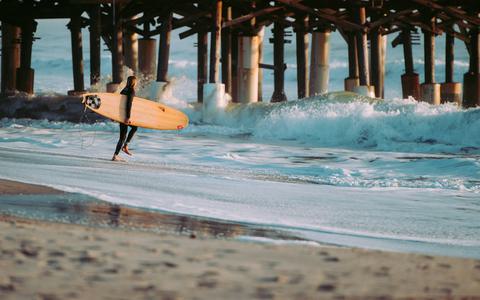 Beach break: Cocoa Beach Pier
Breaks on sandbars. Storms move the sand, so the banks and the waves change from week to week. Often several peaks; can close out when the sand is flat.
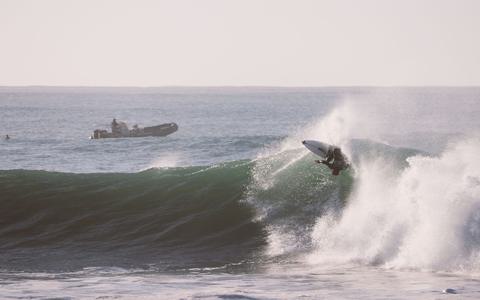 Point break: Jeffreys Bay (Supertubes)
The swell bends around a headland and peels along it, one section at a time. Long rides, and it holds its shape on bigger swells.
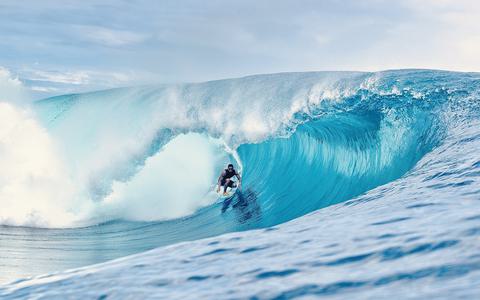 Reef break: Teahupoo
Breaks on rock or coral that does not move, so it is the same wave every time the swell, wind and tide line up. Often hollow and powerful, over shallow water.
Why one closes out and one peels
If the bottom is flat and straight, the whole wave reaches shallow water at the same moment and closes out. If the bottom angles away, like along a point or the edge of a reef, the wave breaks one part at a time, and that is a wave you can ride along.
Where you see it on BarrelFare
Every spot page says what kind of break it is and what level it suits. The swell size the score looks for is set per break, because a reef and a beach handle the same swell differently.
How to read a surf report and forecast
Let BarrelFare read it for you
The trip finder reads all of this for 114 breaks and finds the best trip from your airport.