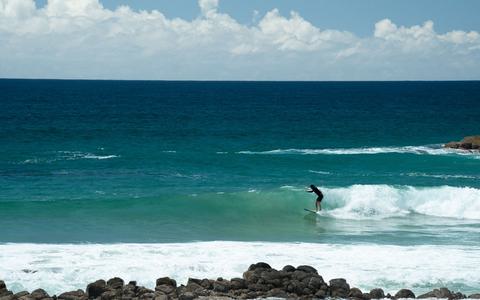
Powerful right point; Easter classic.
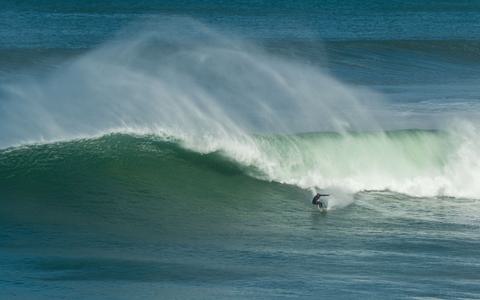
The wave. Bells is a right-hand reef break on the Surf Coast near Torquay, Victoria, over rock reef that rises toward shore. It acts like a point, with long walls that end at the Bowl section. The Rip Curl Pro, first held here in 1962, is the longest continuously running pro surfing contest in the world, and it runs at Easter.
When it works. A southwest to south-southwest groundswell is the best match, and west to northwest wind blows offshore. Mid tide on the rise works best. Swell-producing storms are strongest from April through September, and summer is often small.
Watch out for. Dangerous rips run through the lineup, and it gets crowded when the surf is up. North to northeast wind blows it out. The reserve above the beach is on the Victorian Heritage Register, and volunteers have replanted it, so stay on the paths.
Who it suits. Bells suits intermediate to advanced surfers who can handle power and rips. Big winter swells are for experienced surfers only.
Nearby. Winki Pop, next door to the east, often works better than Bells in more varied conditions, and swells from farther west suit it.
- The wave
- A punchy point break.
- Best months
- Apr–Sep
- Typical face
- 5 ft in season
- Surfable days
- 91% in season
- Water in season
- 14 C / 58 F, 4/3 + boots
- Sweet spot
- 11 ft faces
- Tide
- Best on a mid tide
- Nearest airport
- AVV
- Getting there
- 57.8 km by road from AVV, about 50 min.
Forecast and the trip from your airport
National-park sand point rights into Laguna Bay; longboard perfection on cyclone-season E/NE swell.
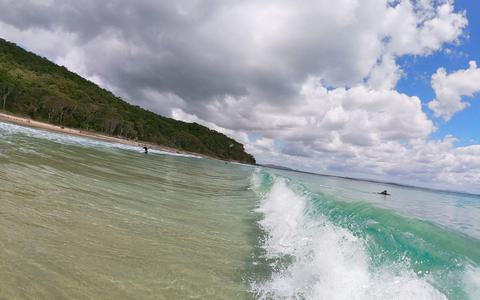
The wave. First Point is a right-hand point break where the Noosa Heads headland meets Noosa Main Beach. It is the last and most mellow of the five north-facing points in Noosa National Park, with easy, rolling walls over sand along a rocky point. Longboarders have ridden it since the early 1960s, and it sits inside the Noosa World Surfing Reserve.
When it works. East to northeast swell is the best match, and south wind blows offshore. The points face north, so they need cyclone swells or long east wind fetches from the Coral Sea, and south swells usually pass them by. Summer into autumn gives the best chance.
Watch out for. The lineup is very busy when it breaks, so arrive early. Rocks line the point. The reserve asks surfers to share and respect the lineup.
Who it suits. Its gentle walls suit longboarders and most levels on normal days, and it is the gentlest of the Noosa points. Learners go to the Noosa Groyne at Main Beach, where the water is more sheltered.
Nearby. Tea Tree Bay, farther into the national park, breaks over an outer reef and then a sandbar, and it can barrel when bigger. It needs east cyclone swell. Sunshine Beach, south of the headland, has powerful beach peaks that work best on the southeast to southwest swells of winter.
- The wave
- A mellow point break.
- Best months
- Apr–Aug
- Typical face
- 2–4 ft in season
- Surfable days
- 73% in season
- Water in season
- 22 C / 72 F, spring suit
- Sweet spot
- 3 ft faces
- Tide
- Best on a mid tide
- Nearest airport
- MCY
- Getting there
- 37.9 km by road from MCY, about 42 min.
Flying in with a board. Airlines we have seen into MCY: Jetstar, Virgin Australia.
Forecast and the trip from your airport
Big, open-ocean reef; consistent SW.
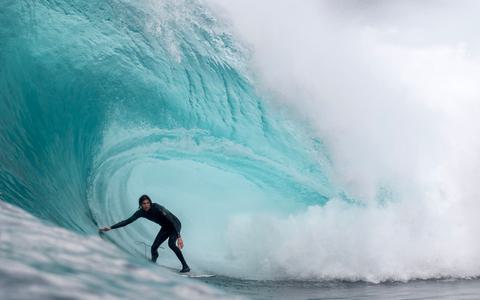
The wave. Main Break sits at Surfers Point, near the mouth of the Margaret River, and breaks over reef as an A-frame. The left is the main wave, with a big open face and a heavy lip, and a shallow ledge called the Surgeon's Table can warp its last section. The right is a lower wall. It is the home of the WSL Margaret River Pro.
When it works. West to southwest groundswell is the best match, and east wind blows offshore, with a light southeast also good. Contest guides say any tide works. It handles swells of 20 feet and more, and it is a very consistent spot through the year.
Watch out for. The reef is shallow at the Surgeon's Table, and the wave is known for broken boards and leashes. Rips and rocks add to the risk. Crowds build when the surf is up. Watch from Surfers Point before you paddle out to read the angles.
Who it suits. It suits strong, experienced surfers, and the left on a big day is for the best riders only. Beginners head north to Gracetown, where several breaks suit learners, families and improvers.
Nearby. The Box, about 800 m north, is a fast right-hand barrel that goes square on west to west-southwest swell, works at high tide, and ends over shallow rocks. North Point at Gracetown, near the mouth of Cowaramup Bay, has tubing rights on winter southwest swells and is for experts.
- The wave
- A hollow reef break.
- Best months
- Feb–Apr
- Typical face
- 9 ft in season
- Surfable days
- 95% in season
- Water in season
- 21 C / 70 F, spring suit
- Sweet spot
- 9 ft faces
- Tide
- Best on a mid tide
- Nearest airport
- PER
- Getting there
- 286 km by road from PER, about 3 hr 32 min.
Flying in with a board. Airlines we have seen into PER: Qatar Airways, Jetstar, Emirates, Indonesia AirAsia, Qantas, Virgin Australia.
Forecast and the trip from your airport
Sand-bottom right point; long rides.
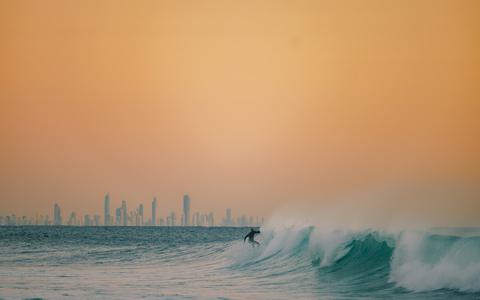
The wave. Snapper Rocks is a right-hand point on the north side of Point Danger, at the south end of Rainbow Bay on the Gold Coast. It is the first section of the Superbank, a sand-bottom run of about 2 km that can link all the way to Kirra. The bank grew from sand pumped north from the Tweed River entrance, and a permanent bypass system has run since 2001.
When it works. East to southeast swell is the best match, and southeast wind blows offshore. Bigger east to southeast swells with clean wind help the sections link up. The shape depends on how much sand sits behind the rock.
Watch out for. Over 500 surfers can be out along the bank on a good day, and drop-ins are constant. Rips, rocks, backwash and localism are all part of it. Parking is hard to find.
Who it suits. Snapper suits intermediate and experienced surfers who can hold their spot in a crowd. Beginners should look elsewhere.
Nearby. Greenmount, farther along the Superbank, is often called its best section, with tight barrels on bigger southeast days. Duranbah, by the Tweed River mouth on the other side of Point Danger, is an A-frame peak that gets big and fast on a good southeast swell.
- The wave
- A punchy point break.
- Best months
- May–Jun
- Typical face
- 3 ft in season
- Surfable days
- 81% in season
- Water in season
- 23 C / 73 F, spring suit
- Sweet spot
- 5 ft faces
- Tide
- Best on a mid tide
- Nearest airport
- OOL
- Getting there
- 5.2 km by road from OOL, about 12 min.
Flying in with a board. Airlines we have seen into OOL: Jetstar, Qantas, Virgin Australia, Air New Zealand.
Forecast and the trip from your airport
Australia's most famous sand point; 200 m rights wrap Cape Byron on E/NE cyclone swell.
The wave. The Pass is a right-hand point break at the east end of Byron Bay's main beach, between Clarkes Beach and Wategos, under Cape Byron. It breaks over sand, and on good days rides run 150 to 200 m toward Clarkes Beach. The main takeoff sits behind a rock outcrop, and a softer inside section breaks closer to the beach.
When it works. East to northeast swell is the best match, and southeast wind blows offshore. Summer brings the best run of east and northeast swells. Big southeast swells can also wrap in during winter, when the wind is often cross-shore.
Watch out for. It gets very busy, longboarders take many of the waves, and locals do not give waves away. Rips and rocks are hazards here. When it pumps, the car park fills fast, so many surfers park at Clarkes and walk up the point.
Who it suits. Small days suit all levels, and learners use the less crowded inside section. The main takeoff behind the rocks is for advanced surfers. When the swell is solid, beginners should watch from the beach.
Nearby. The Wreck, off the main beach to the west, breaks around the wreck of the SS Wollongbar, with a hollow, technical left and a steep right near the old boilers. It needs east to southeast swell with size. Wategos, the next bay east, faces north and has a long right.
- The wave
- A mellow point break.
- Best months
- Feb–May
- Typical face
- 4 ft in season
- Surfable days
- 81% in season
- Water in season
- 25 C / 77 F, boardshorts
- Sweet spot
- 4 ft faces
- Tide
- Best on a mid-incoming tide
- Nearest airport
- BNK
- Getting there
- 37.4 km by road from BNK, about 38 min.
Flying in with a board. Airlines we have seen into BNK: Jetstar.
Forecast and the trip from your airport