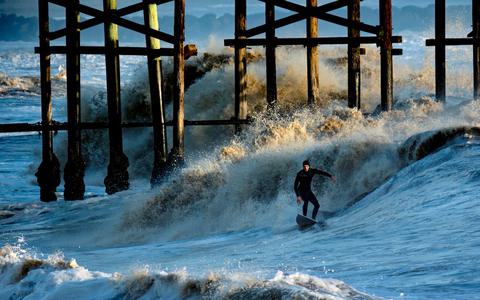
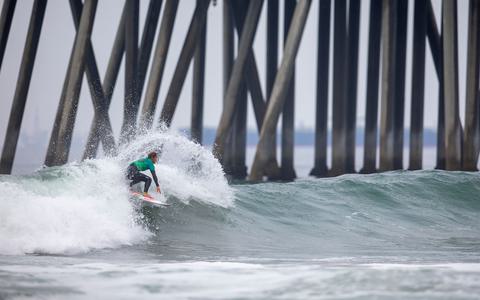
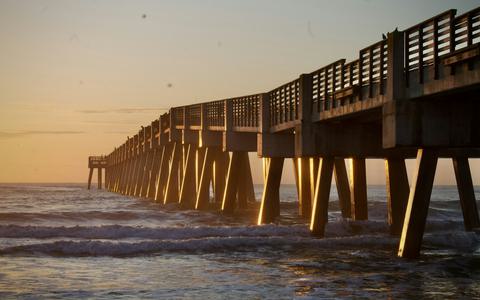
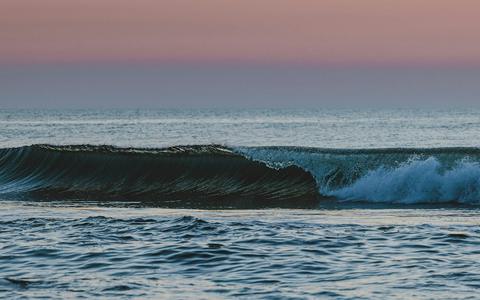
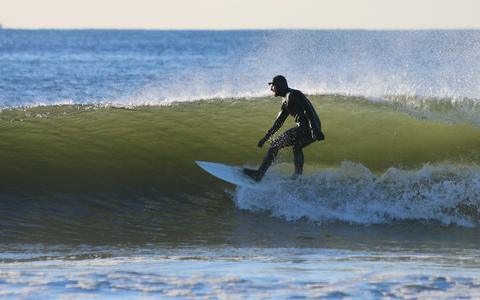
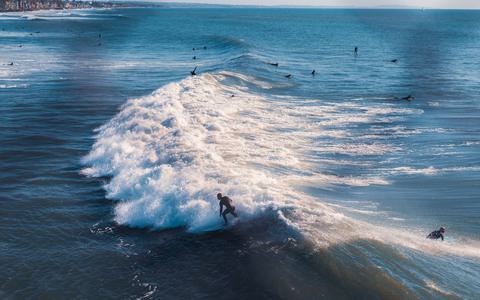
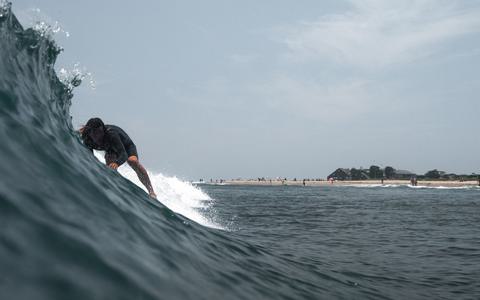
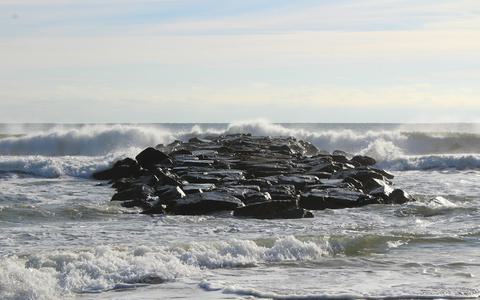
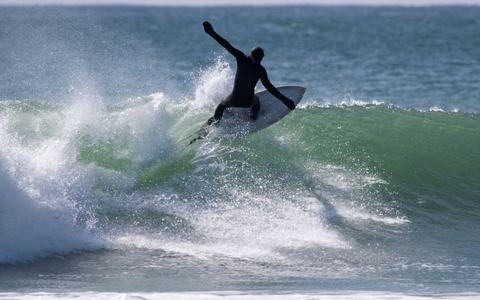
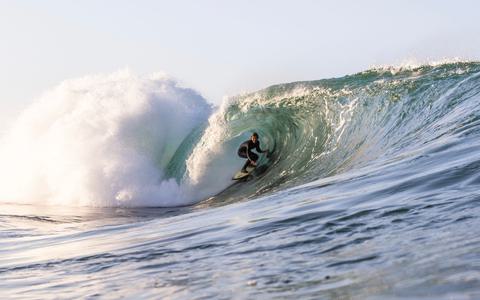
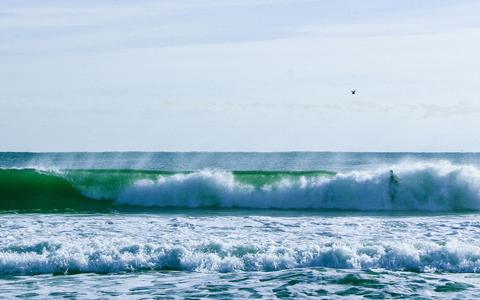
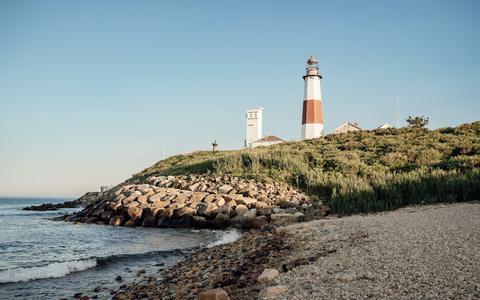
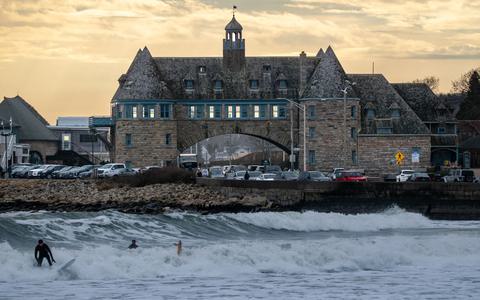
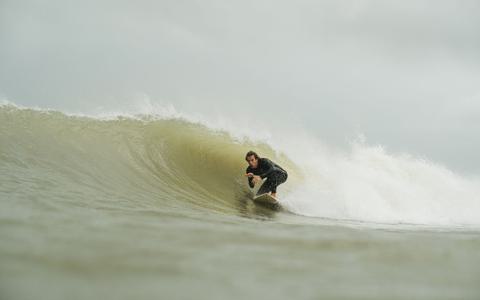
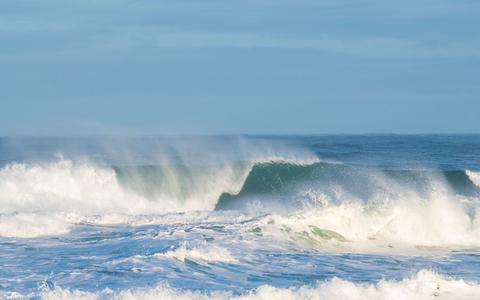
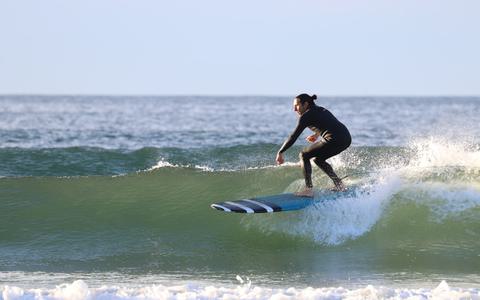
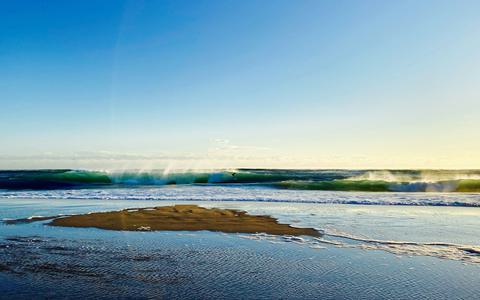
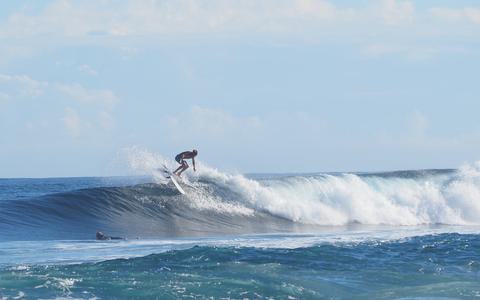
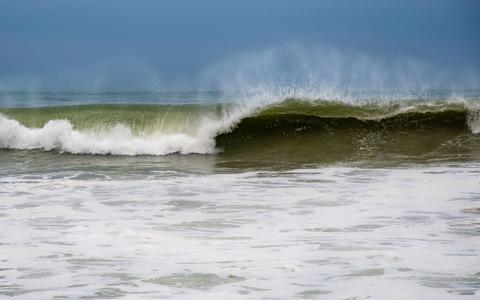
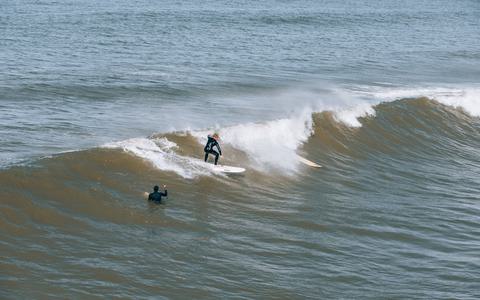
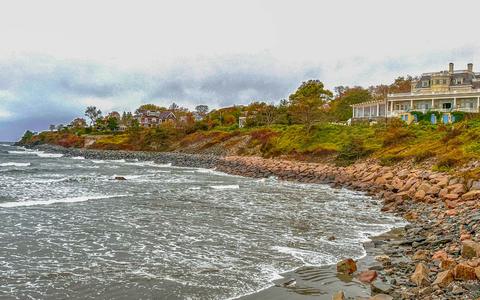
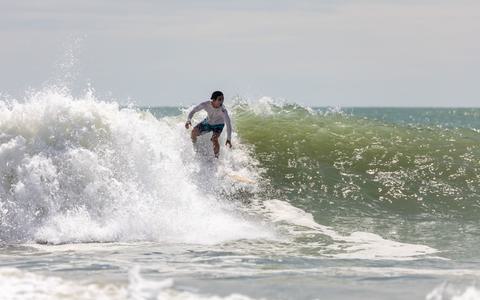
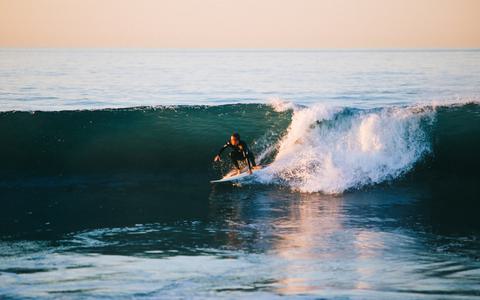
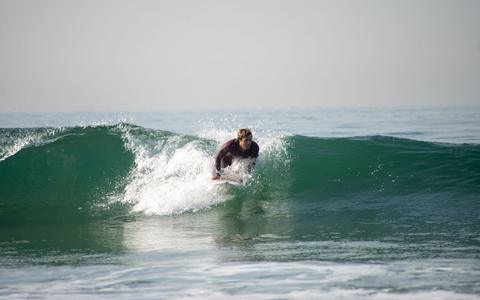
Rudee Inlet jetty rights; hurricane + nor'easter swell.
The wave. 1st Street Jetty sits on the north side of Rudee Inlet, where the jetty holds sand and focuses swell. It breaks mainly right over sand, with some lefts when sand builds against the jetty. The first peak here is the home of the East Coast Surfing Championships, described as the longest continually run surf contest in the world.
When it works. Hurricane swells and nor'easters drive the best days, and it needs at least 2 feet of swell to get going. West wind blows offshore, and east wind turns it choppy. Mid to high tide works best.
Watch out for. From May 1 to September 30, surfing is banned in most of the resort area from 10 am to 4 pm on weekdays and 10 am to 6 pm on weekends and holidays, except in authorized zones such as 1st Street. Leashes are always required. The lineup is often crowded, so take care around the rocks and the locals.
Who it suits. Small days work for all levels, and 1st Street is sometimes the only surfable spot in town. Packed summer days call for patience, and winter brings fewer people, mostly locals.
Nearby. Croatan, just south of Rudee Inlet, is a designated surfing area where the jetty gives shelter in nor'easters and long wrap-around lefts. Camp Pendleton, farther south, is another designated surf zone.
- The wave
- A punchy beach break.
- Best months
- Dec
- Typical face
- 2 ft in season
- Surfable days
- 39% in season
- Water in season
- 15 C / 59 F, 4/3
- Sweet spot
- 4 ft faces
- Tide
- Best on a mid-high tide
- Nearest airport
- ORF
- Getting there
- 31.5 km by road from ORF, about 40 min.
Flying in with a board. Airlines we have seen into ORF: American Airlines, Frontier Airlines, Southwest Airlines, United Airlines, Breeze Airways, Delta Air Lines.
Forecast and the trip from your airport
North Shore; winter NW; trade-wind offshore.
The wave. Pipeline breaks off Ehukai Beach Park on the North Shore of Oahu. It is a hollow left over a flat, shallow lava reef with jagged spires and caves, and Backdoor runs right off the same peak. Bruce Brown was filming Phil Edwards here in December 1961 when Mike Diffenderfer named it after a pipeline being built nearby.
When it works. Big west-northwest to north groundswells in winter are the best match, and summer is mostly flat. A strong west swell clears sand off the reef, and a strong north swell then brings the best waves. Southeast wind blows straight offshore.
Watch out for. The reef sits in very shallow water, and wipeouts can drive surfers into the lava spires or the caves underneath. The lineup is crowded, so respect the locals, and the small lot at Ehukai fills fast in winter.
Who it suits. When it is breaking, Pipeline is for experts and professionals only. Summer is calmer, but check with the lifeguard before you go in. Lifeguards are on duty all year, and winter visitors can watch the best surfers from the sand.
Nearby. Backdoor is the right off the same peak and works best on a north swell. Off the Wall, next door, is a shallow reef section that ranks among the most dangerous waves here.
- The wave
- A hollow reef break.
- Best months
- Dec–Jan
- Typical face
- 8–9 ft in season
- Surfable days
- 83% in season
- Water in season
- 25 C / 78 F, boardshorts
- Sweet spot
- 8 ft faces
- Tide
- Best on a mid-low tide
- Nearest airport
- HNL
- Getting there
- 56.5 km by road from HNL, about 1 hr 6 min.
Flying in with a board. Airlines we have seen into HNL: Alaska Airlines, United Airlines, American Airlines, Southwest Airlines, Air Canada, Qantas.
Forecast and the trip from your airport
Jetty-lined surf beach at 16th Ave; hollow peaks on SE hurricane swell, W offshore.
The wave. 16th Avenue is a beach break in Belmar, on the Jersey Shore in Monmouth County. Peaks break left and right over sand, and groins line this stretch of beach. Most rides run 50 to 150 m, and on good days the waves get hollow, fast and powerful.
When it works. East-northeast to south swell works, and west wind blows offshore. Low to mid tide is the usual call, and a rising tide is often better. Fall and winter are the seasons to target.
Watch out for. Rip currents are a real hazard along this beach, and the groins along the stretch need care. The lineup gets busy to crowded when the surf is good. In summer, visitors need a beach badge.
Who it suits. Guides rate it for all levels, from beginners on small days to experts when it gets hollow and powerful.
Nearby. 18th Avenue, at the north jetty just to the south, is a left over sand and rock that likes northeast swell and mid to high tide, and guides rate it for experienced surfers. L Jetty in Avon, about 2 km north, is inconsistent and works best on south swell at mid to low tide.
- The wave
- A punchy beach break.
- Best months
- Sep–Nov
- Typical face
- 2–3 ft in season
- Surfable days
- 68% in season
- Sweet spot
- 4 ft faces
- Tide
- Best on a mid-low tide
- Nearest airport
- EWR
- Getting there
- 76.1 km by road from EWR, about 1 hr 4 min.
Flying in with a board. Airlines we have seen into EWR: Frontier Airlines, American Airlines, United Airlines, Air Canada, Alaska Airlines, Icelandair.
Forecast and the trip from your airport
Submarine canyon focuses swell; works many directions.
The wave. Black's Beach is a sandy beach break below the Torrey Pines bluffs, about 1.6 km north of La Jolla Shores. Scripps Canyon, a submarine canyon just offshore, funnels swell into the beach, so it is often one of the biggest spots in San Diego. Lefts and rights break hollow, fast and powerful, in long, organized lines.
When it works. West to northwest groundswell is the best match, and east wind blows offshore. Low to mid tide is best, and a falling tide helps. Winter is the prime season, but the canyon gives rideable waves all year.
Watch out for. Big sets are hard to spot and can catch surfers inside, and on big days the inside whitewater is very hard to get through. Rips and undertow are strong. The trail down the cliffs is steep, and the bluffs are unstable. The lineup is crowded, and localism is reported.
Who it suits. Black's is for advanced and expert surfers only. Beginners should go to La Jolla Shores instead, a gentle beach that is somewhat protected from the prevailing southwest wind.
Nearby. Scripps Pier, about 5 km south, is a beach break that likes west-northwest swell and a rising mid tide, with rips and the pier to watch for. La Jolla Shores, about 6 km south, is a gentler beach break that works at all stages of the tide on west swell.
- The wave
- A hollow beach break.
- Best months
- Dec–Feb
- Typical face
- 3–4 ft in season
- Surfable days
- 94% in season
- Water in season
- 15 C / 59 F, 4/3
- Sweet spot
- 11 ft faces
- Tide
- Best on a mid-low tide
- Nearest airport
- SAN
- Getting there
- 25.9 km by road from SAN, about 30 min.
Flying in with a board. Airlines we have seen into SAN: Southwest Airlines, American Airlines, Alaska Airlines, United Airlines, Frontier Airlines, Delta Air Lines.
Forecast and the trip from your airport
Three-quarter-mile string of cobble points by the fairgrounds; best on winter W.
The wave. C Street, or California Street, is a long right-hand point by the Ventura Pier, breaking over cobblestone and sand. It has several take-off zones. Ventura Point favors shortboards, and the inside at C Street is a classic longboard wave in summer. In winter a sand and cobblestone break called Pipes also works.
When it works. West to northwest swell is the best match, and northeast wind blows offshore. Westerly swells peel into the bay for a long way. The point breaks all year, and winter brings the biggest surf.
Watch out for. Strong currents run south down the point when it is big, and the paddle out gets hard once the swell passes about 6 feet. After rain, polluted water flows out of the Ventura River. It is one of the busiest lineups in Ventura County, and parking is hard most days.
Who it suits. Most guides rate it intermediate, and bigger days suit advanced surfers. Small summer days on the inside are mellow enough for learners on longboards.
Nearby. Ventura Overhead, at Emma Wood State Beach about 1 km away, is an outer reef that needs big swell and is called the biggest wave on the Ventura County coast. The South Jetty at Ventura Harbor gives fast, walled waves with size, and it gets crowded on major swells.
- The wave
- A mellow point break.
- Best months
- Nov–Mar
- Typical face
- 3–4 ft in season
- Surfable days
- 96% in season
- Water in season
- 14 C / 58 F, 4/3 + boots
- Sweet spot
- 4 ft faces
- Tide
- Works on any tide
- Nearest airport
- SBA
- Getting there
- 60.4 km by road from SBA, about 44 min.
Flying in with a board. Airlines we have seen into SBA: United Airlines, Alaska Airlines, American Airlines, Southwest Airlines, Delta Air Lines.
Forecast and the trip from your airport
Hurricane-season E/SE groundswell.
The wave. The Cape Hatteras Lighthouse break is a sand beach break set between old steel groins, with fast, hollow lefts and rights. The Navy sank the groins to protect a World War II outpost. The lighthouse, the tallest brick lighthouse in the United States, was moved 2,900 feet back from the eroding shore in 1999.
When it works. East to southeast swell is the best match, and west wind blows offshore. Northeast swells favor heavy lefts at the first groin, and south to southeast swells favor heavy, sweeping rights at the third groin. It picks up surf in every season.
Watch out for. Rips and undertow are strong, and the groins are a man-made hazard. The lineup gets crowded on good weekends, with some localism, so respect the regulars.
Who it suits. Small days suit most levels. In solid swell the groin waves turn heavy and hollow and suit experienced surfers.
Nearby. S-Turns, to the north near Rodanthe, is an exposed sandbar break that likes east-southeast groundswell and west wind. Rips and sharks are hazards there too.
- The wave
- A punchy beach break.
- Best months
- All year
- Typical face
- 2–3 ft in season
- Surfable days
- 24% in season
- Water in season
- 15 C / 58 F, 4/3 + boots
- Sweet spot
- 6 ft faces
- Tide
- Best on a mid tide
- Nearest airport
- ORF
- Getting there
- 226 km by road from ORF, about 3 hr 27 min.
Flying in with a board. Airlines we have seen into ORF: American Airlines, Frontier Airlines, Southwest Airlines, United Airlines, Breeze Airways, Delta Air Lines.
Forecast and the trip from your airport
Pier-anchored sandbars with punchy, hollow peaks on both sides of the pier; E-SE swell, W offshore; strong rips.
The wave. Casino Pier is a beach break on the sandbars beside the amusement pier in Seaside Heights, with lefts and rights on both sides. The pier opened in 1932. Hurricane Sandy collapsed part of it in October 2012 and sent the Star Jet roller coaster into the ocean, and a shortened pier reopened in 2013.
When it works. It picks up a mix of groundswell and local windswell. West wind blows offshore and cleans up the peaks on both sides of the pier.
Watch out for. Rips are strong here, and the borough posts rip current warnings at every beach entrance. The borough tells people to stay out of the water when no lifeguard is present.
Who it suits. Small, clean days work for most levels. Strong rips and bigger swells call for experienced surfers.
Nearby. Island Beach State Park, to the south, is an exposed beach break that is best around low tide and rarely crowded, though rips and jellyfish are a hazard.
- The wave
- A punchy beach break.
- Best months
- Oct–Nov
- Typical face
- 2–3 ft in season
- Surfable days
- 69% in season
- Sweet spot
- 4 ft faces
- Tide
- Best on a mid tide
- Nearest airport
- ACY
- Getting there
- 92.7 km by road from ACY, about 1 hr 14 min.
Forecast and the trip from your airport
Small-wave beach break by the pier; any E swell, W offshore.
The wave. Cocoa Beach Pier is a sand-bottom beach break with lefts and rights. Richard Stottler built the pier in 1962 as Canaveral Pier, and it runs 800 feet out over the Atlantic. The first Easter Surfing Festival was held here in 1964, and the pier became the center of East Coast surfing.
When it works. An east to southeast swell is the best match, and west wind blows offshore. Higher tides work best. Windswell is far more common than groundswell, so most days are small, and winter brings the cleanest sessions.
Watch out for. Rips, undertow, sharks and man-made obstacles are the main hazards. The beach gets very crowded on sunny days, whether there are waves or not, and the lineup fills up when it is breaking.
Who it suits. Small, clean days suit every level, including first-timers on longboards. The rare solid swell with west wind rewards surfers who can handle a packed lineup.
Nearby. Lori Wilson Park, to the south, is a very consistent beach break that likes an east swell and west wind. Jetty Park, at Port Canaveral to the north, has lefts and rights but only works when conditions are just right.
- The wave
- A beach break.
- Best months
- Jan
- Typical face
- 2 ft in season
- Surfable days
- 48% in season
- Sweet spot
- 4 ft faces
- Tide
- Best on a mid-high tide
- Nearest airport
- MLB
- Getting there
- 52.5 km by road from MLB, about 1 hr.
Flying in with a board. Airlines we have seen into MLB: American Airlines, Delta Air Lines.
Forecast and the trip from your airport
Rock-shelf peelers; longboard classic; S swell.
The wave. Ditch Plains is a reef break over a low shelf of sand-covered pebble and rock in Montauk. It turns swell into soft, long-peeling walls, which makes it a longboard classic. Surfing here goes back decades: a 1965 contest drew more than 300 surfers, and in 1967 the town tried a surfer permit with a metal medallion.
When it works. A south swell is the best match, and the reef softens the dominant southeast to southwest swells into peeling waves. Northwest wind blows offshore.
Watch out for. Rocks are a hazard on the reef. The lineup gets crowded, worst on summer weekends, so arrive early. Parking is tightly controlled: the westernmost lot is resident-only, the Otis Road lot needs a town permit, and tickets are common.
Who it suits. Small summer days suit beginners and longboarders, with gentler waves toward Montauk Shores. Bigger, better waves break near the east-end jetty, where experienced surfers gather.
Nearby. Turtles, below the Montauk Point Lighthouse to the east, wedges up on hurricane swells and is for experts only, under state park surfing rules.
- The wave
- A mellow reef break.
- Best months
- Jun–Jul
- Typical face
- 2 ft in season
- Surfable days
- 56% in season
- Water in season
- 19 C / 67 F, 3/2
- Sweet spot
- 3 ft faces
- Tide
- Best on a mid-high tide
- Nearest airport
- ISP
- Getting there
- 114 km by road from ISP, about 2 hr 6 min.
Flying in with a board. Airlines we have seen into ISP: JetBlue, Southwest Airlines, Breeze Airways, Frontier Airlines.
Forecast and the trip from your airport
Classic Long Island beachbreak and 1960s surf hub; SE-S swell peaks, NW offshore.
The wave. Gilgo is a sand-bottom beach break off Ocean Parkway, east of Jones Beach, with peaks that break left and right. Small days run soft and longboard-friendly, and bigger swells call for a fish or shortboard. Surfers have ridden it since the 1960s, and it hosted early Eastern Surfing Championships.
When it works. A south-southeast groundswell is the best match, and north to northwest wind blows offshore. Mid to low tide works best, and a falling tide gives the fastest, steepest waves. Higher tides tend to slow it down and soften the peaks.
Watch out for. In summer, entry needs a Town of Babylon resident permit or a non-resident day fee. The lineup gets crowded in peak season, so respect the regulars. Piping plovers nest on this beach, so keep out of protected areas.
Who it suits. Small, clean days suit every level, including first-timers on big boards. Busy summer peaks and solid swells reward surfers who can read a crowded lineup.
Nearby. Tobay Beach, just to the west, is a sandbar break that works on all tides and draws thinner crowds. Robert Moses Field 5, across the inlet on Fire Island, is the next option to the east.
- The wave
- A punchy beach break.
- Best months
- Aug
- Typical face
- 2 ft in season
- Surfable days
- 59% in season
- Sweet spot
- 4 ft faces
- Tide
- Best on a mid-low tide
- Nearest airport
- JFK
- Getting there
- 47.5 km by road from JFK, about 45 min.
Flying in with a board. Airlines we have seen into JFK: American Airlines, JetBlue, Alaska Airlines, Avianca, Delta Air Lines, Icelandair.
Forecast and the trip from your airport
Long left peeling off the Holyoke Avenue jetty on NE-E nor'easter swell; WNW offshore; protective locals.
The wave. Holyoke is a jetty and beach break at Holyoke Avenue in Beach Haven, on Long Beach Island. It is one of the most famous spots on the island, known for a long left that breaks along the jetty over a sandbar. The beach peaks also favor lefts, and on good days rides run 150 to 300 m.
When it works. Northeast to east swell is the best match, and west to west-northwest wind blows offshore. It works from about 3 feet up to 10 feet and more. Fall and winter are the main seasons.
Watch out for. Rip currents and undertow are the main hazards here, so watch the water before you paddle out. The lineup is sometimes crowded when a good swell runs.
Who it suits. Guides do not agree on level. The jetty left on a solid swell suits advanced surfers, and the beach peaks on smaller days suit a wider range of surfers.
Nearby. Wooden Jetty, about 3 km south in Holgate, is a left that peels toward a small cove on a northeaster, with rides of about 100 to 300 m. Watch for submerged rocks. 5th Street in Beach Haven, about 4 km north, is a sandbar break that likes southeast swell and northwest wind.
- The wave
- A punchy beach break.
- Best months
- Sep–Nov
- Typical face
- 2–3 ft in season
- Surfable days
- 74% in season
- Sweet spot
- 5 ft faces
- Tide
- Best on a mid-low tide
- Nearest airport
- ACY
- Getting there
- 74.4 km by road from ACY, about 1 hr 9 min.
Forecast and the trip from your airport
Wrapping right point; winter NW.
The wave. Honolua Bay is a right-hand point on West Maui, just north of Kapalua, breaking over uneven reef below the cliffs. Waves start at Coconut Grove on the outside and run through several bowl sections to the Cave. The bay is part of the Honolua-Mokuleia Marine Life Conservation District, and the 1968 film The Hot Generation showed early shortboarding here.
When it works. North to northwest swell in winter is the best match, and the bay is mostly flat in summer. The swell angle has to be right to get through the islands of Molokai and Lanai. Trade winds from the east blow offshore.
Watch out for. The reef is shallow and uneven, with urchins, and rips and currents run in the bay. Big days break a lot of boards. The lineup is often crowded, and rides are long, so the paddle back up the point is long too.
Who it suits. Honolua is a wave for experienced surfers only, and guides rate it expert level. It is not a place to learn.
Nearby. Windmills, about 2 km away, is an exposed reef over rock that works best on north-northwest swell. Honokohau, about 3 km away, is a right-hand reef that wants north swell, and it is often crowded, with urchins and rips.
- The wave
- A punchy point break.
- Best months
- Nov–Jan
- Typical face
- 4–5 ft in season
- Surfable days
- 86% in season
- Water in season
- 26 C / 78 F, boardshorts
- Sweet spot
- 7 ft faces
- Tide
- Best on a mid tide
- Nearest airport
- OGG
- Getting there
- 59.5 km by road from OGG, about 1 hr 13 min.
Flying in with a board. Airlines we have seen into OGG: American Airlines, Alaska Airlines, United Airlines, Southwest Airlines, Delta Air Lines.
Forecast and the trip from your airport
Surf City USA: ultra-consistent pier sandbars that catch nearly every swell.
The wave. Huntington Beach Pier is a beach break with sandbars on both sides of the pier, and its peaks break left and right. The south side has a punchy bowl with an open face, and the north side has a shorter, rounder peak that hollows out faster. Duke Kahanamoku surfed here from 1925, and the pier now hosts the US Open of Surfing each summer.
When it works. West-southwest groundswell is the best match, and northeast wind blows offshore. Mid tide works best. It catches swell all year, with northwest swells wrapping the south side in winter, southwest swells favoring the north side in summer, and offshore Santa Ana winds in fall.
Watch out for. City rules ban board surfing when the blackball flag is posted, and in summer lifeguards often close the south side to surfing from about midmorning. Rip currents and a strong drift push surfers along the beach, so keep paddling to hold position. The lineup is crowded when it works, and pollution is a listed hazard.
Who it suits. Shortboarders fill the peaks on most days, and small days suit intermediates who can handle a busy lineup. Powerful winter sets suit experienced surfers.
Nearby. Bolsa Chica, about 10 minutes north on Pacific Coast Highway, has sandbank peaks that suit beginners and intermediates and draws far smaller crowds. Goldenwest, at 22nd Street, is an A-frame that works best on west and southwest swells with morning offshore wind.
- The wave
- A punchy beach break.
- Best months
- Oct–Feb
- Typical face
- 3–4 ft in season
- Surfable days
- 99% in season
- Water in season
- 17 C / 63 F, 4/3
- Sweet spot
- 4 ft faces
- Tide
- Best on a mid tide
- Nearest airport
- SNA
- Getting there
- 20.7 km by road from SNA, about 25 min.
Flying in with a board. Airlines we have seen into SNA: American Airlines, United Airlines, Alaska Airlines, Delta Air Lines, Southwest Airlines, Breeze Airways.
Forecast and the trip from your airport
Pier-anchored sandbars; NE groundswell and hurricane swell, W offshore.
The wave. The pier is a sand-bottom break with peaks on both sides, so you get lefts and rights. The city rebuilt the pier after Hurricanes Matthew and Irma and reopened it in July 2022.
When it works. A north-northeast to northeast swell is the best match, and west to southwest wind blows offshore. A rising tide works best, from mid tide up toward high.
Watch out for. City rules ban surfing within 300 feet of the fishing pier and require a leash on every board. Stay clear of fishing lines, because surfers and anglers here have a long history of clashes. The lineup gets crowded on good days, and all water activity stops when the no-swimming flag flies.
Who it suits. Small, clean days work for beginners and intermediates outside the pier zone. Crowded swell days and hurricane surf suit experienced surfers.
Nearby. Mayport Poles in Hanna Park, to the north, is a mainly left-hand beach break next to the Mayport jetty. It works best around low tide, which makes it a good match for the hours when the pier is weak. Expect a packed lot on weekends.
- The wave
- A beach break.
- Best months
- Jan–Feb
- Typical face
- 2 ft in season
- Surfable days
- 65% in season
- Sweet spot
- 4 ft faces
- Tide
- Best on a mid-incoming tide
- Nearest airport
- JAX
- Getting there
- 53.2 km by road from JAX, about 45 min.
Flying in with a board. Airlines we have seen into JAX: Frontier Airlines, American Airlines, Southwest Airlines, JetBlue, Breeze Airways, Delta Air Lines.
Forecast and the trip from your airport
Outer Banks pier sandbars, open to N through S swell; W offshore.
The wave. Jennette's Pier is a sand-bottom pier break in Nags Head on North Carolina's Outer Banks, with lefts and rights on the bars near the pier. The pier is a concrete structure about 300 m long, run by the North Carolina Aquariums. It replaced a 1939 wooden pier that Hurricane Isabel destroyed in 2003, and it opened in 2011.
When it works. Northeast swell is the best match, and west wind blows offshore. It works on all tides, and one guide favors the rising tide. Winter is the most consistent season.
Watch out for. Rips are strong along this beach, so watch the water before you paddle out. Outer Banks rules ban surfing within 300 feet of a fishing pier, about 90 m, and police can write citations. Guides say the pier buffer is enforced here.
Who it suits. Small days can suit beginners. Bigger swells bring stronger rips, so those days are for surfers with solid ocean skills.
Nearby. Nags Head Pier, about 5 km north, is a beach break with lefts and rights that likes northeast swell and west wind, and guides warn of rips and wrecks. Outer Banks Pier, about 6 km south, likes east-northeast swell and a rising tide from low, and it is rarely crowded.
- The wave
- A beach break.
- Best months
- Feb–Mar
- Typical face
- 3 ft in season
- Surfable days
- 27% in season
- Sweet spot
- 5 ft faces
- Tide
- Best on a mid tide
- Nearest airport
- ORF
- Getting there
- 148 km by road from ORF, about 2 hr 15 min.
Flying in with a board. Airlines we have seen into ORF: American Airlines, Frontier Airlines, Southwest Airlines, United Airlines, Breeze Airways, Delta Air Lines.
Forecast and the trip from your airport
Jettied Long Island beach break; SE swell, N offshore.
The wave. Long Beach is a sand-bottom beach break set between rock jetties, with peaks that break left and right. The sandbanks shift, so the takeoff spots change from swell to swell. In 2011 it hosted the Quiksilver Pro New York, a world tour event, and Owen Wright beat Kelly Slater in the final in clean, offshore left-hand walls.
When it works. A southeast swell is the best match, and north to north-northeast wind blows offshore, with the jetties giving some shelter from west wind. This part of Long Island bends to face more directly south, which can tame strong winter swells into smaller sets. Autumn brings the most clean days.
Watch out for. Surfing is allowed only on designated surf beaches while lifeguards are on duty, and the city can move them at any time. Leashes are required, foil boards are banned, and in summer everyone 13 or older needs a beach pass. Stay off the rock jetties, and watch for the strong rips along the beach.
Who it suits. Small days suit beginners, and surf schools work the beach in summer. Most days suit intermediates best. Solid swells and the rips call for more experience.
Nearby. Lido Beach, just to the east, has wedgy peaks that break left and right and does well with east swell and north wind, though its lineup gets crowded. Rockaway Beach, to the west, has city surf zones near the Beach 90th Street jetties.
- The wave
- A beach break.
- Best months
- Aug–Oct
- Typical face
- 2–3 ft in season
- Surfable days
- 75% in season
- Sweet spot
- 4 ft faces
- Tide
- Best on a mid tide
- Nearest airport
- JFK
- Getting there
- 23.9 km by road from JFK, about 30 min.
Flying in with a board. Airlines we have seen into JFK: American Airlines, JetBlue, Alaska Airlines, Avianca, Delta Air Lines, Icelandair.
Forecast and the trip from your airport
SW summer + NW winter; Santa Ana E offshore.
The wave. Lower Trestles is a peak that breaks left and right over rock and cobblestones in San Onofre State Beach, just south of San Clemente. The right is the long wall for linking turns, and the left is the more versatile wave. Lowers hosted World Tour events for many years, and it will host surfing at the 2028 Olympic Games.
When it works. South to southwest groundswell is the best match, and the warmer months bring the best conditions. Light northeast wind blows offshore. Mid tide works well.
Watch out for. Expect a crowded, competitive lineup and watchful locals. Sea urchins live on the rocks, and the cobblestones are slippery on the paddle out. You reach the beach on a paved trail from Cristianitos Road, a walk of about 15 to 20 minutes each way.
Who it suits. Lowers suits intermediate surfers and pros. Summer weekends and evenings are the most crowded times.
Nearby. Uppers, just north, has a right as its main outside peak and lefts that run the other way, and its lineup spreads out across several takeoff spots. Middles, just south, is at its best on north swells, which makes it a winter spot.
- The wave
- A punchy point break.
- Best months
- Apr–Oct
- Typical face
- 4 ft in season
- Surfable days
- 93% in season
- Water in season
- 20 C / 67 F, 3/2
- Sweet spot
- 9 ft faces
- Tide
- Best on a mid tide
- Nearest airport
- SNA
- Getting there
- 49.7 km by road from SNA, about 35 min.
Flying in with a board. Airlines we have seen into SNA: American Airlines, United Airlines, Alaska Airlines, Delta Air Lines, Southwest Airlines, Breeze Airways.
Forecast and the trip from your airport
The benchmark cobblestone point: mechanical summer S-swell rights at Surfrider.
The wave. First Point is a right-hand point break over cobblestones and sand at Surfrider Beach, next to Malibu Pier. It peels as a long, tapering wall with smooth faces, and rides run 150 to 300 meters. The site became the first World Surfing Reserve in 2010, and it shaped Southern California surf culture in the 1960s.
When it works. South to southwest swells from South Pacific storms are the best match, and northwest to north wind blows offshore. First Point works through the full tidal range. Winter swells shift to the west and north and leave the point with little to work with.
Watch out for. The lineup is crowded on almost every good day, so etiquette matters. Water quality drops after rain, when runoff reaches the lineup, so check the county water advisory first. Snowy plovers nest on the beach, and Malibu Lagoon next to the break is a protected estuary.
Who it suits. First Point is the longboard and funboard peak, and intermediates find long, open faces on small south swells. Shortboarders join in on bigger swells, and Second Point is the high-performance peak.
Nearby. Topanga, to the east, is a classic point break with rides of about 300 yards on the best summer days. Zuma, to the west, has powerful beach break sets fed by two underwater canyons, and it is best in winter and spring.
- The wave
- A mellow point break.
- Best months
- Aug–Nov
- Typical face
- 3 ft in season
- Surfable days
- 100% in season
- Water in season
- 20 C / 68 F, spring suit
- Sweet spot
- 4 ft faces
- Tide
- Best on a mid-high tide
- Nearest airport
- LAX
- Getting there
- 34.0 km by road from LAX, about 45 min.
Flying in with a board. Airlines we have seen into LAX: Frontier Airlines, American Airlines, Alaska Airlines, Southwest Airlines, United Airlines, JetBlue.
Forecast and the trip from your airport
North-jetty wedge rights on E-SE hurricane swell; W offshore.
The wave. Manasquan Inlet is a beach break over sand and rock beside the north jetty, where the Manasquan River meets the Atlantic. Swell hits the jetty and stacks into steep right-hand wedges, with lefts on some swells. The jetties date to the 1930s and were built with rock from the excavation of Manhattan's Second Avenue Subway.
When it works. East to southeast swell is the best match, and the strongest southeast swells can reach 20 feet. West wind blows offshore, and mid tide on the rise works best. The best season runs from September through the winter.
Watch out for. Rips, undertow, rocks and the jetty itself are the main hazards. The lineup is often crowded, and the locals expect respect. In summer, badges are required, and surfing is allowed from Inlet Beach to Whiting II Beach only where the lifeguards permit it.
Who it suits. It suits intermediate surfers on most days. Big hurricane swells and packed lineups are for experienced surfers.
Nearby. Bay Head, a short drive south, is a beach and jetty break that favors rights and is best on a rising mid tide. It also gets crowded when it is working.
- The wave
- A beach break.
- Best months
- Oct–Nov
- Typical face
- 2–3 ft in season
- Surfable days
- 75% in season
- Sweet spot
- 4 ft faces
- Tide
- Best on a mid tide
- Nearest airport
- EWR
- Getting there
- 82.9 km by road from EWR, about 1 hr 10 min.
Flying in with a board. Airlines we have seen into EWR: Frontier Airlines, American Airlines, United Airlines, Air Canada, Alaska Airlines, Icelandair.
Forecast and the trip from your airport
Cobble-reef peaks at Deep Hole, Trestles and the Point; S-SE swell, N offshore; rocks and rips.
The wave. Matunuck is a reef break over cobblestones and boulders on the Rhode Island shore, with lefts and rights. It has three main breaks: Deep Hole, Trestles and the Point. Trestles breaks left and right over reef, and Deep Hole is too small to surf on most days.
When it works. A south to southeast swell is the best match, and north to north-northwest wind blows offshore. Trestles is best around low tide. Autumn gives the most clean days, and the reef handles swell from knee high to well overhead.
Watch out for. Strong rips, undertow and rocks are the main hazards, and the rocks are worse at lower tides, so surf boots help. The lineup can get crowded on weekends, so respect the regulars.
Who it suits. It is best for intermediate surfers. Low-tide sessions over the rocks and overhead swells are for experienced surfers only.
Nearby. Point Judith Lighthouse, to the east in Narragansett, is a point break with a left and a right, reached by a hike down a steep bank over slippery boulders. Its south side can trap surfers against the rocks, so guides advise paddling out the long way.
- The wave
- A punchy reef break.
- Best months
- Aug–Oct
- Typical face
- 2–3 ft in season
- Surfable days
- 61% in season
- Sweet spot
- 4 ft faces
- Tide
- Best on a mid-low tide
- Nearest airport
- PVD
- Getting there
- 53.4 km by road from PVD, about 57 min.
Flying in with a board. Airlines we have seen into PVD: American Airlines, Breeze Airways, JetBlue, Southwest Airlines, United Airlines, Delta Air Lines.
Forecast and the trip from your airport
Cold-water big-wave reef; needs long-period NW.
The wave. Mavericks breaks just outside the Pillar Point Harbor breakwater, north of Half Moon Bay. An underwater rock ramp slows the swell and bends it into a U shape, so it is mainly a heavy right, with a faster left that is rarely ridden. Jeff Clark, then 17, surfed it alone in 1975, and big storm swells can push faces past 60 feet.
When it works. Long-period west-northwest groundswells from North Pacific winter storms are the best match, and east wind blows offshore. Winter is the season.
Watch out for. Wipeouts here bring long hold-downs, sometimes through two waves. Rocks, rips, cold water and great white sharks are real hazards.
Who it suits. Mavericks is for expert big-wave surfers with water safety support only. Everyone else should pick a smaller break nearby.
Nearby. Surfers Beach, just south of Pillar Point Harbor, has unusual waves shaped by reflection off the harbor jetty. Montara, to the north, is a beach break with lefts and rights that likes a west-northwest swell and is rarely crowded, but watch for rips and sharks.
- The wave
- A hollow reef break.
- Best months
- Dec–Jan
- Typical face
- 9–11 ft in season
- Surfable days
- 83% in season
- Water in season
- 13 C / 55 F, 4/3 + boots
- Sweet spot
- 24 ft faces
- Tide
- Best on a low tide
- Nearest airport
- SFO
- Getting there
- 36.7 km by road from SFO, about 42 min.
Flying in with a board. Airlines we have seen into SFO: Alaska Airlines, American Airlines, Frontier Airlines, United Airlines, Southwest Airlines, JetBlue.
Forecast and the trip from your airport
Jetty-groomed beach break below the seawall; fall hurricane and nor'easter swell, W offshore.
The wave. Monmouth Beach is a beach break on the north Jersey Shore. You reach it over a sea wall, and an array of jetties lines the sand. The bottom is sand, and the rights are the best known waves, mostly near a drainage pipe. On a good day the waves are hollow, fast and powerful, and most rides stay under 50 m.
When it works. East to south swell is the best match, and the jetties also pick up northeast swell. West wind blows offshore. Low to mid tide on the rise is best, and dead high tide makes mostly shorebreak. Fall and winter are the seasons to watch.
Watch out for. Rip currents and undertow run here over a shallow sand bottom. Right-hand rides can run into the drainage pipe. The lineup gets crowded on weekends and good days, and locals range from friendly to territorial.
Who it suits. When it is hollow and chest high or bigger, it suits experienced surfers, and it gets tricky on really big days. One guide rates smaller days as fine for all levels.
Nearby. Sea Bright, to the north, is a hollow, thick beach break over a shallow bottom that only breaks on big swells and is best at low tide. Seven Presidents in Long Branch, to the south, is a jetty break with lefts and rights over sand that works best at low tide on the rise.
- The wave
- A punchy beach break.
- Best months
- Sep–Nov
- Typical face
- 2–3 ft in season
- Surfable days
- 61% in season
- Sweet spot
- 4 ft faces
- Tide
- Best on a mid-low tide
- Nearest airport
- EWR
- Getting there
- 66.7 km by road from EWR, about 1 hr 1 min.
Flying in with a board. Airlines we have seen into EWR: Frontier Airlines, American Airlines, United Airlines, Air Canada, Alaska Airlines, Icelandair.
Forecast and the trip from your airport
Boulder right point under the lighthouse; needs big SE swell, NW offshore; rocks and strong rips, experts only.
The wave. Turtles breaks on the rocky headland below the Montauk Point Lighthouse, the oldest lighthouse in New York State. It breaks over boulders and rock, and on a good swell it can get hollow. Erosion threatens the bluff, and surfers opposed a boulder seawall plan to protect the lighthouse because it would ruin Alamo, a nearby break.
When it works. A big swell from the south to southeast is the best match, and north to northwest wind blows offshore. A hurricane swell from the south with an offshore north wind is the classic setup.
Watch out for. The point is state park land, and surfers and surfcasters have clashed here for years. The park limits surfing to set seasons and areas, so check the current rule with the park before you paddle out. Expect rocks, strong rips and a protective local crowd.
Who it suits. This is an experts-only wave. The boulders, currents and crowd leave little room for error, so less experienced surfers should watch from shore.
Nearby. Ditch Plains, to the west, is a rock-shelf reef that turns swell into soft, peeling waves for longboards. Alamo, just beyond the lighthouse, is the break surfers fought to protect from the seawall plan.
- The wave
- A punchy point break.
- Best months
- Sep–Oct
- Typical face
- 3 ft in season
- Surfable days
- 45% in season
- Sweet spot
- 6 ft faces
- Tide
- Best on a mid-incoming tide
- Nearest airport
- ISP
- Getting there
- 120 km by road from ISP, about 2 hr 12 min.
Flying in with a board. Airlines we have seen into ISP: JetBlue, Southwest Airlines, Breeze Airways, Frontier Airlines.
Forecast and the trip from your airport
Sand-bottom town beach peaks; SE swell, NW offshore; soft and forgiving, often closes out at low tide.
The wave. Narragansett Town Beach is a sand-bottom beach break in the town of Narragansett, Rhode Island, with left and right peaks. It is one of the most popular breaks in the state, and everyone comes when the surf is up. Guides describe wedges and lippy A-frames that can barrel on bigger days.
When it works. East to southeast swell is the best match, and northwest to west wind blows offshore. Fall and winter storms bring the most surf, and November is the most consistent month. Summer is often small.
Watch out for. Beach rules keep surfers in the marked surfing area at the seawall entry, and only swimmers use the water in front of lifeguard chairs 2 to 6. The lineup gets crowded when the surf works and through the summer. Waves often close out.
Who it suits. Small days suit beginners and longboarders, and many lessons run here. Bigger, hollow days are better for experienced surfers.
Nearby. Monahan's Dock, about 2 km away, is a heavy right with a short left over shallow rock that works on hurricane swells from August to December, and its locals are not friendly. Scarborough State Beach, about 5 km away, is fast and hollow, needs offshore wind, and is less busy.
- The wave
- A mellow beach break.
- Best months
- Sep–Oct
- Typical face
- 2 ft in season
- Surfable days
- 71% in season
- Sweet spot
- 4 ft faces
- Tide
- Best on a mid-high tide
- Nearest airport
- PVD
- Getting there
- 41.8 km by road from PVD, about 49 min.
Flying in with a board. Airlines we have seen into PVD: American Airlines, Breeze Airways, JetBlue, Southwest Airlines, United Airlines, Delta Air Lines.
Forecast and the trip from your airport
East Coast's most consistent; jetty sandbars.
The wave. The Inlet is a sand-bottom beach break on the south side of Ponce de Leon Inlet, inside Smyrna Dunes Park. The jetty holds sandbars that give lefts and rights, and the inlet keeps them changing. Surfer magazine has called it the most consistent break on Florida's coast.
When it works. A southeast swell is the best match, and southwest wind blows offshore. It picks up swell from northeast through southeast, and it can be surfed all year.
Watch out for. Sharks are the big hazard here. Volusia County records more shark bites than almost anywhere in the world, so stay clear of bait schools and murky water. Rips, undertow and jellyfish add to the risk, and the lineup is often crowded with a tight local crew.
Who it suits. Small days suit beginners and intermediates, and the jetty area draws both. Solid swells and crowded weekends suit experienced surfers who know the etiquette.
Nearby. Ponce Inlet, across the inlet to the north, is a beach and jetty break that favors rights and works best near high tide. Its jetty has strong current and many rocks, and the Ponce de Leon Inlet Light stands on that side.
- The wave
- A punchy beach break.
- Best months
- Aug
- Typical face
- 2–3 ft in season
- Surfable days
- 68% in season
- Water in season
- 25 C / 76 F, boardshorts
- Sweet spot
- 4 ft faces
- Tide
- Best on a mid-incoming tide
- Nearest airport
- DAB
- Getting there
- 39.5 km by road from DAB, about 44 min.
Flying in with a board. Airlines we have seen into DAB: American Airlines, Delta Air Lines, Breeze Airways.
Forecast and the trip from your airport
User-friendly beach break sheltered by the cape; Oregon's mellowest paddle-out.
The wave. Pacific City's surf beach sits on the south side of Cape Kiwanda, a sandstone headland on the north Oregon coast. An exposed right-hand reef breaks on the outside, and a more forgiving beach break with lefts and rights works on the inside, over sand and boulders. The same beach is where the Pacific City dory fleet launches and lands.
When it works. Straight west swell is the best match, and east wind blows offshore. It works at all stages of the tide, and the cape gives some shelter from north-northwest wind. Winter brings the most consistent surf.
Watch out for. Dory boats and jet skis launch from the beach and run through the surf, so watch for boats. Rips, strong currents and cold water are real hazards. Stay behind the fences on the cape, because the sandstone edge can crumble without warning.
Who it suits. Small days on the inside beach break suit beginners and up. The outside reef is a real challenge when the swell is big, and those days are for experienced surfers.
Nearby. Cape Lookout, about 16 km north, is an exposed beach, reef and point break with lefts and rights that works at all tides on west swell and is rarely crowded. Nelscott Reef, off Lincoln City about 27 km south, is the only Oregon spot set up for big-wave surfing, with a contest since 2005.
- The wave
- A mellow beach break.
- Best months
- Sep–Oct
- Typical face
- 4–5 ft in season
- Surfable days
- 88% in season
- Water in season
- 13 C / 55 F, 4/3 + boots
- Sweet spot
- 4 ft faces
- Tide
- Works on any tide
- Nearest airport
- PDX
- Getting there
- 173 km by road from PDX, about 2 hr 42 min.
Flying in with a board. Airlines we have seen into PDX: American Airlines, Alaska Airlines, Southwest Airlines, United Airlines, Frontier Airlines, Delta Air Lines.
Forecast and the trip from your airport
Rocky point wraps S/SE swell; NE-wind shelter.
The wave. Point Judith is a rocky point at the southern tip of Narragansett, below the lighthouse. Several breaks wrap around it, and the Lighthouse is the main one, a point with a zippy left and a steeper right. In rare, perfect conditions the sections connect. The shape of the point lets waves break from three directions.
When it works. South to southeast swell is the best match, and west to northwest wind blows offshore. Mid tide on the rise is best. Hurricane swells in late summer and fall bring the best surf, and summer is often flat.
Watch out for. Sharp rocks cover the bottom, submerged boulders sit in the lineup, and more rocks show at low tide. The entry path is slippery rock, and the lighthouse grounds are a fenced Coast Guard site. South of the Lighthouse closes out on a jetty in big swells. Watch for rips, and wear boots all year.
Who it suits. This is not a place for beginners, and guides rate it for advanced surfers. Beginners go to Narragansett Town Beach, which has a section set aside for surfing.
Nearby. The Ks, behind the harbor breakwaters, is a soft left that forms as swell passes through the gap, and it needs a big ocean swell to work. Scarborough State Beach, about 4 km away, is fast and hollow, needs a good offshore wind, and is not for beginners.
- The wave
- A punchy point break.
- Best months
- Sep–Oct
- Typical face
- 3 ft in season
- Surfable days
- 61% in season
- Water in season
- 19 C / 66 F, 3/2
- Sweet spot
- 4 ft faces
- Tide
- Best on a mid-incoming tide
- Nearest airport
- PVD
- Getting there
- 49.6 km by road from PVD, about 56 min.
Flying in with a board. Airlines we have seen into PVD: American Airlines, Breeze Airways, JetBlue, Southwest Airlines, United Airlines, Delta Air Lines.
Forecast and the trip from your airport
Shallow right over reef and sand; needs N-NE swell (the Bahamas block E-SE), W offshore.
The wave. Reef Road in Palm Beach is a shallow reef break over a mix of sand and rock. Waves break close to shore in very shallow water, and rides can run more than 100 yards. Surf guides rank its barrels among the heaviest in Florida.
When it works. A north to northeast swell is the best match, and west wind blows offshore. Cold fronts bring most of the swell. A rising tide helps, and most days are too small, so it needs a strong storm swell to switch on.
Watch out for. Waves break in very shallow water over rock, and broken boards are common. Sharks are a listed hazard. Parking near the break is limited, so most surfers park farther south and walk in. The lineup gets crowded when it works, so respect the locals.
Who it suits. Intermediate surfers can handle the smaller, cleaner days. Big swells, with fast barrels over shallow rock, are for experienced surfers.
Nearby. Pump House, north of Palm Beach Inlet, is a powerful left over a shallow sandbar that breaks fewer than five days a year and usually needs a boat to reach. Lake Worth Pier, to the south, is a beach break with lefts and rights that works on all tides and gets busy when the surf is up.
- The wave
- A reef break.
- Best months
- Sep–Oct
- Typical face
- 3–4 ft in season
- Surfable days
- 59% in season
- Sweet spot
- 5 ft faces
- Tide
- Best on a mid tide
- Nearest airport
- PBI
- Getting there
- 13.3 km by road from PBI, about 22 min.
Flying in with a board. Airlines we have seen into PBI: American Airlines, Frontier Airlines, JetBlue, Southwest Airlines, United Airlines, Air Canada.
Forecast and the trip from your airport
Winter NW Atlantic groundswell.
The wave. Tres Palmas is a right-hand reef break at Rincón on the west coast of Puerto Rico, and it is Rincón's big-wave spot. It breaks on an outer reef and does not start until around double overhead. Rincón hosted the 1968 World Surfing Championships, which put the town on the surf map.
When it works. Large northwest to north groundswells in winter are the best match, and east to northeast wind blows offshore. On most days it is too small to break, so it needs a big winter swell.
Watch out for. Sea urchins, rocks and the reef are the main hazards. Puerto Rico has no formal lifeguard system for open-water beaches. A campaign to protect the area created the Tres Palmas Marine Reserve, the first marine reserve on mainland Puerto Rico.
Who it suits. Only experienced big-wave surfers with the right boards and training should paddle out. Everyone else can surf the smaller reefs close by.
Nearby. Domes, just north of the Rincón Lighthouse, is a mostly right-hand reef named for the dome of a decommissioned nuclear plant, and it suits intermediates. Maria's, about a quarter mile south of Domes, breaks about 100 yards out over coral, so it always looks smaller from the beach.
- The wave
- A punchy reef break.
- Best months
- Nov–Dec
- Typical face
- 4–5 ft in season
- Surfable days
- 95% in season
- Water in season
- 29 C / 84 F, boardshorts
- Sweet spot
- 10 ft faces
- Tide
- Best on a mid tide
- Nearest airport
- BQN
- Getting there
- 29.3 km by road from BQN, about 34 min.
Flying in with a board. Airlines we have seen into BQN: Frontier Airlines, United Airlines, JetBlue.
Forecast and the trip from your airport
Fire Island beachbreak near the lighthouse; shifting sandbars catch any S swell, NW offshore.
The wave. Field 5 is a beach break at the east end of Robert Moses State Park, on western Fire Island. Peaks break left and right over sand. Most rides run 50 to 150 m, and good days can run to 300 m.
When it works. Southeast swell is the best match, and east to south swell also works. Northwest wind blows offshore, and onshore wind spoils it fast. It works on all tides, and a rising tide is often better. September to March is the best stretch, since summer swells are often small.
Watch out for. State Parks rules allow surfboards only in designated areas, and each board needs a leash no longer than 8 feet. The park lists surfing all year. Its map marks surfing areas at Democrat Point and between Fields 2 and 3. The map shows no surfing area at the Field 5 swimming beach, so ask the lifeguards or the park office where to surf that day. Rips are strong, and the lineup gets busy when the surf is up. The park charges $10 per car in summer and collects no fee from November to early April.
Who it suits. Guides rate it for all levels, and small, clean days suit beginners. Solid swells and strong rips call for more experience.
Nearby. Democrat Point, at the west tip of the park, is a left over sand and rock for experienced surfers. It likes south to southeast swell at mid tide. Walk west along the shore from Field 2 to reach it, or drive on with a State Parks four-wheel-drive surfing permit.
- The wave
- A punchy beach break.
- Best months
- Aug–Nov
- Typical face
- 2–3 ft in season
- Surfable days
- 71% in season
- Sweet spot
- 4 ft faces
- Tide
- Best on a mid tide
- Nearest airport
- ISP
- Getting there
- 35.5 km by road from ISP, about 44 min.
Flying in with a board. Airlines we have seen into ISP: JetBlue, Southwest Airlines, Breeze Airways, Frontier Airlines.
Forecast and the trip from your airport
NYC beach break groomed by the 90th St jetties; SE hurricane swell + E windswell, NW offshore.
The wave. Rockaway is a beach break over shifting sandbars, and the best waves form along the rock jetties. Near Beach 90th Street the jetty shapes fast lefts. In 2005 the city made Beach 90th Street its first official surfing beach.
When it works. East to southeast swell works best, and longer periods help. North to northwest wind blows offshore. A rising or falling mid tide is the usual window, high tide seldom works, and the surf is usually best from early fall on.
Watch out for. Surfing is legal only in the city surf zones, such as Beach 67th to 69th and Beach 87th to 92nd Streets, which have no lifeguards and no swimming. The lineup gets crowded and competitive, with a loyal local crowd, so watch before you paddle in. After heavy rain, runoff fouls the water, so wait a day.
Who it suits. Beach 67th Street fills with beginners on soft tops in summer. Beach 90th Street on a good swell suits intermediates and up who know lineup etiquette.
Nearby. Long Beach, to the east, is a jetty-lined beach break that hosted a world tour contest in 2011. Beach 67th Street, to the east in Arverne, is the second city surf zone and draws the learners.
- The wave
- A punchy beach break.
- Best months
- Sep–Nov
- Typical face
- 2–3 ft in season
- Surfable days
- 74% in season
- Water in season
- 18 C / 64 F, 4/3
- Sweet spot
- 4 ft faces
- Tide
- Best on a mid tide
- Nearest airport
- JFK
- Getting there
- 18.7 km by road from JFK, about 32 min.
Flying in with a board. Airlines we have seen into JFK: American Airlines, JetBlue, Alaska Airlines, Avianca, Delta Air Lines, Icelandair.
Forecast and the trip from your airport
Expert-only right over boulder reef off the Cliff Walk; needs big S-SE hurricane swell, NW offshore.
The wave. Ruggles is a big-wave right off the Cliff Walk in Newport, Rhode Island, breaking over a rock ledge and boulders at the end of Ruggles Avenue. The reef has sections called The Point, Out Front and Around the Corner. In 1971 surfer Sid Abbruzzi was arrested here under a city ban on surfing, and his legal fight ended the ban.
When it works. Southeast swell is the best match, and it needs a large swell to break. Locals watch for named hurricanes. Northwest wind blows offshore. Most guides favor the lower half of the tide.
Watch out for. Large rocks sit in the takeoff zone, and the reef is shallow where the wave breaks most often. Rips are strong. There are no stairs, so you climb down the wall to reach the water. The lineup is busy when it breaks, and parking near the break is hard.
Who it suits. Ruggles is for experienced surfers only, and guides rate it expert. Beginners go to Easton's Beach instead, the best learner spot in eastern Rhode Island.
Nearby. Easton's Beach, also called First Beach, is a mellow beach break where headlands soften southeast swell. Second Beach, also called Sachuest Beach, faces southwest and picks up hurricane swells in late summer, and on big days a left point works at its east end.
- The wave
- A hollow reef break.
- Best months
- Sep–Oct
- Typical face
- 3 ft in season
- Surfable days
- 54% in season
- Sweet spot
- 6 ft faces
- Tide
- Best on a mid-incoming tide
- Nearest airport
- PVD
- Getting there
- 51.1 km by road from PVD, about 1 hr.
Flying in with a board. Airlines we have seen into PVD: American Airlines, Breeze Airways, JetBlue, Southwest Airlines, United Airlines, Delta Air Lines.
Forecast and the trip from your airport
First Peak jetty wedge; NE swell + SW offshore.
The wave. First Peak is the wedge on the north side of Sebastian Inlet, inside Sebastian Inlet State Park. Northeast swell hits the curved north jetty and wedges into a punchy peak that peels right. The wedge formed after Army Corps of Engineers jetty work in the late 1960s and helped shape surfers such as Kelly Slater and Lisa Andersen. Later jetty work weakened it for years, and in 2020 Stab Magazine reported it was coming back.
When it works. A northeast swell is the best match, and southwest wind blows offshore. Groundswell and windswell arrive in about equal measure, so it can work on short-period swells too.
Watch out for. The north jetty is usually packed with anglers, and some cast straight into the lineup, which has caused a long conflict between surfers and anglers. Rocks along the jetty, sharks and a protective local crew are the other hazards. The lineup gets crowded on good days.
Who it suits. The wedge suits confident intermediate and advanced surfers who can hold their own on a crowded, competitive peak. Newer surfers should pick the sandbar peaks farther north, away from the jetty and the pack.
Nearby. Second Peak, just north, breaks over a sandbar about 25 yards offshore and tends to peel left. Monster Hole, close to the inlet, is a beach and reef break that favors lefts, likes a north-northeast swell and works best around low tide on the rise.
- The wave
- A punchy beach break.
- Best months
- Jan–Mar
- Typical face
- 2–3 ft in season
- Surfable days
- 55% in season
- Water in season
- 22 C / 72 F, spring suit
- Sweet spot
- 4 ft faces
- Tide
- Best on a mid-low tide
- Nearest airport
- MLB
- Getting there
- 38.6 km by road from MLB, about 49 min.
Flying in with a board. Airlines we have seen into MLB: American Airlines, Delta Air Lines.
Forecast and the trip from your airport
Iconic rocky point off the Santa Cruz lighthouse; W/NW swell groomed by Monterey Bay.
The wave. Steamer Lane is a reef break off the point below the Santa Cruz lighthouse, with mainly right-hand waves over rock and some sand. It has four sections: Indicators, Middle Peak, The Slot and The Point. Claude Horan named it in the late 1930s, and the Santa Cruz Surfing Museum is in the lighthouse above.
When it works. West to northwest groundswell is the best match, and northeast wind blows offshore. The point is sheltered from northwest wind. Mid tide on the rise works best, and winter is the most reliable season, though it breaks all year.
Watch out for. Rocks sit in the lineup, and you reach the water by stairs from West Cliff Drive. Chunks of the cliff above The Slot have fallen into the water in recent years, so do not sit close under the cliff or use the cliff handholds. Crowds build on swell days and weekends, and the regulars expect strict etiquette.
Who it suits. Steamer Lane suits intermediate to advanced surfers, and big winter days are for experts. Beginners should go to Cowell Beach instead.
Nearby. Cowell Beach, by the Santa Cruz Wharf, is what a local guide calls one of the best beginner breaks in the world, with gentle rights over a long, shallow, sandy stretch. Four surf schools hold permits to teach there.
- The wave
- A punchy reef break.
- Best months
- Oct–Feb
- Typical face
- 5–7 ft in season
- Surfable days
- 99% in season
- Water in season
- 14 C / 58 F, 4/3 + boots
- Sweet spot
- 6 ft faces
- Tide
- Best on a mid-incoming tide
- Nearest airport
- SJC
- Getting there
- 54.2 km by road from SJC, about 53 min.
Flying in with a board. Airlines we have seen into SJC: Alaska Airlines, American Airlines, Southwest Airlines, United Airlines, Frontier Airlines, Delta Air Lines.
Forecast and the trip from your airport
Right-hand reef point below the ashram; lights up on winter W/NW groundswell.
The wave. Swami's is a right-hand reef point in Encinitas, named for Paramahansa Yogananda, whose Self-Realization Fellowship hermitage overlooks it. The main peak breaks over a rock ledge a few hundred meters from shore, and it is the only right point of its kind in North County. The reef sits inside Swami's State Marine Conservation Area, the largest marine protected area in San Diego County.
When it works. West swell is the best match, and east wind blows offshore. Calm mornings also keep the face clean. It can break all year, but autumn and winter are the main season.
Watch out for. Watch for rocks on the reef. The paddle to the peak is long, and most surfers go around the break through the deep-water channel. A wooden staircase from the clifftop park is the main way down. The lineup is crowded and competitive when it works.
Who it suits. It suits intermediate to expert surfers. Very small days may be fine for beginners and groms at times.
Nearby. Moonlight Beach, about 1 km north, is a beach break with lefts and rights that likes southwest swell and a rising mid tide. Cardiff Reef, about 3 km south, has lefts and rights over rock ledge and sand, and the left is better. It works at all tides and is often crowded.
- The wave
- A punchy reef break.
- Best months
- Oct–Mar
- Typical face
- 3–4 ft in season
- Surfable days
- 97% in season
- Water in season
- 16 C / 61 F, 4/3
- Sweet spot
- 5 ft faces
- Tide
- Best on a mid-low tide
- Nearest airport
- SAN
- Getting there
- 43.5 km by road from SAN, about 40 min.
Flying in with a board. Airlines we have seen into SAN: Southwest Airlines, American Airlines, Alaska Airlines, United Airlines, Frontier Airlines, Delta Air Lines.
Forecast and the trip from your airport
Jetty lefts at Shinnecock Inlet; big S swells make it a rare New York big-wave spot, NW offshore.
The wave. The Bowl is the east end of Ponquogue Beach in Hampton Bays, on Long Island, where a jetty marks the end of the beach. It is a beach and jetty break over sand, and the waves are mostly lefts. The jetty is what gives this stretch its occasional big days.
When it works. Southeast to south-southwest swell works, best from the southeast, and northwest to west-northwest wind blows offshore. Mid tide on the rise is best. Fall and winter are the seasons to watch.
Watch out for. Rip currents and undertow are the main hazards, and the jetty adds risk. The lineup is sometimes crowded. Shinnecock Inlet, to the east, has strong tidal currents on the flood and the ebb.
Who it suits. Guides rate it for intermediate and advanced surfers. It is not a good pick for beginners, since rips and the jetty add risk.
Nearby. Road K Beach, a short way west in East Quogue, is a sandbar break with no lifeguards that is more dependable than Ponquogue on most days. Cupsogue, about 20 km west at Westhampton, has lefts and rights off the inlet jetties, with northwest offshore wind and strong rips.
- The wave
- A punchy beach break.
- Best months
- Aug
- Typical face
- 3 ft in season
- Surfable days
- 57% in season
- Sweet spot
- 5 ft faces
- Tide
- Best on a mid tide
- Nearest airport
- ISP
- Getting there
- 61.4 km by road from ISP, about 1 hr.
Flying in with a board. Airlines we have seen into ISP: JetBlue, Southwest Airlines, Breeze Airways, Frontier Airlines.
Forecast and the trip from your airport
Jettied beachbreak; SE swell + NW offshore.
The wave. The Washout is a jettied beach break on Folly Beach, near Charleston, South Carolina, and the island's most popular surf spot. Sandbars form between rock groins and throw wedgy left and right peaks. Hurricane Hugo flattened the dunes and homes here in 1989, which left an open path for the wind and created the break.
When it works. Southeast swell is the best match, and the break can be powerful on northeast and hurricane swells. North to northwest wind blows offshore. Mid to high tide works best, ideally on the push. Fall is the most consistent season, and summer depends on tropical swells.
Watch out for. Rock groins cross the beach and are hard to see at higher tides, and Folly rules say to stay at least 50 feet, about 15 m, from them. Currents and rips push harder here than on other sandbars on the island. A leash is required, crowds are heavy on good days, and parking fills fast.
Who it suits. Guides rate it for intermediate to advanced surfers, not for beginners. Beginners do better at 10th Street East or on the softer waves west of the pier.
Nearby. 10th Street East does not break as big as the Washout on northeast swell, but it holds a south swell and draws a smaller crowd. Folly Beach Pier has rights on the north side and more lefts on the south side, likes east or south swell, and has a 200-foot, about 61 m, no-surf zone.
- The wave
- A punchy beach break.
- Best months
- Sep–Oct
- Typical face
- 2 ft in season
- Surfable days
- 42% in season
- Water in season
- 24 C / 75 F, boardshorts
- Sweet spot
- 4 ft faces
- Tide
- Best on a mid-incoming tide
- Nearest airport
- CHS
- Getting there
- 36.4 km by road from CHS, about 41 min.
Flying in with a board. Airlines we have seen into CHS: American Airlines, Southwest Airlines, JetBlue, United Airlines, Breeze Airways, Delta Air Lines.
Forecast and the trip from your airport
Jetty-groomed A-frames at Westhaven; Washington's most reliable wave.
The wave. The Jetty is a sand-bottom beach break beside the rocky south jetty at Westhaven State Park, at the south entrance to Grays Harbor. Lefts and rights break in several peaks, and the gradual slope keeps the water waist deep a long way out. It has the most consistent surf between the Columbia River and the Strait of Juan de Fuca.
When it works. South to northwest swell works, and east-northeast wind blows offshore. Mid to high tide on the rise is the usual call. Summer, autumn and winter all bring surf, and the beach is rarely flat.
Watch out for. A strong rip runs out along the jetty, and surfers call it the Elevator. Take care near the jetty rocks. The water is cold all year, so surfers wear thick wetsuits. Strong onshore wind is common, and on summer weekends more than a hundred surfers can spread along the beach.
Who it suits. Most surfers here are beginners and visitors, riding waves of 3 to 5 feet on the inside. Bigger waves farther out and near the jetty are for advanced surfers.
Nearby. The Cove at Half Moon Bay, just behind the jetty beach, is a sand-bottom break that peels left and right, prefers lower tides and southwest swell, and works when other spots are too stormy. The Groins, finger jetties near the marina, have mostly left peaks over sand with some hollow rights, and they suit intermediates.
- The wave
- A punchy beach break.
- Best months
- Nov–Mar
- Typical face
- 6–7 ft in season
- Surfable days
- 72% in season
- Water in season
- 9 C / 48 F, hooded 5/4
- Sweet spot
- 4 ft faces
- Tide
- Works on any tide
- Nearest airport
- SEA
- Getting there
- 197 km by road from SEA, about 2 hr 43 min.
Flying in with a board. Airlines we have seen into SEA: Alaska Airlines, Frontier Airlines, Southwest Airlines, American Airlines, United Airlines, Air Canada.
Forecast and the trip from your airport
Outer-bar peaks; SE/E swell, NW offshore.
The wave. Wrightsville Beach is a barrier island near Wilmington, North Carolina, with a run of sand-bottom beach breaks. Crystal Pier, also called Oceanic Pier, is busy and consistent and breaks on both sides. C Street, off Columbia Street, has more power and hollow faces than the pier.
When it works. Southeast swell is the best match, and northwest wind blows offshore. West and southwest winds also work. Most guides favor low to mid tide, about one to three hours after low. Fall is the prime season, and November is the most consistent month.
Watch out for. Town rules ban surfing within 350 feet, about 107 m, of Johnnie Mercer's Pier and Crystal Pier, and within 100 feet, about 30 m, of the Masonboro Inlet jetty. From Memorial Day to Labor Day weekend, no surfing is allowed in front of guarded lifeguard stands. A leash is required, and C Street and the pier get crowded.
Who it suits. Small, gentle days suit beginners and longboarders, and guides call the island good for all levels. The south side of Crystal Pier draws intermediates. C Street on bigger swells suits shortboarders.
Nearby. Shell Island, at the north end, is a powerful wedging break with a steep, hollow A-frame that changes a lot with the tide. At the south end, waves peel off the Masonboro Inlet jetty, and a southerly swell on the right tide gives long rights.
- The wave
- A punchy beach break.
- Best months
- Sep–Nov
- Typical face
- 2 ft in season
- Surfable days
- 55% in season
- Water in season
- 22 C / 72 F, spring suit
- Sweet spot
- 4 ft faces
- Tide
- Best on a mid-low tide
- Nearest airport
- ILM
- Getting there
- 19.1 km by road from ILM, about 28 min.
Flying in with a board. Airlines we have seen into ILM: American Airlines, Breeze Airways, Delta Air Lines, United Airlines, Avelo Airlines.
Forecast and the trip from your airport